Enhance Your Property: Vital Details Regarding Home Renovation Work for Every Homeowner
Property owners frequently look for methods to enhance their homes via professional remodeling. These renovations extend from small kitchen fixes to entire residential overhauls. Understanding the options available is crucial for choosing intelligently. Moreover, one must consider tangible aspects such as setting a budget and contractor selection. As householders start this endeavor, they could face surprising obstacles. The secret to a great renovation depends on meticulous preparation and performance. What steps should be taken next?
Knowing the Various Categories of Residential Renovation Work

As householders look to improve their residences, they frequently come across numerous renovation options designed for specific preferences and preferences. These projects are generally grouped into several types, all dealing with certain elements of residential enhancement. Kitchen renovations center on modernizing fixtures, cabinetry, and the design to improve usability and aesthetics. Bathroom remodeling typically involves updating the hardware, tiles, and shelving options for better convenience and style.
Complete residential remodeling includes major alterations across the property, frequently involving changing the structure to make the most of the space and layout. External improvement work, in contrast, concentrate on enhancing the home's outward appearance, handling the exterior walls, roofing, and landscaping. Furthermore, specific options including converting the cellar and attic conversions allow homeowners to maximize unused areas. All these service types offers unique benefits, allowing property owners to select choices that align with their vision for their living environment. Understanding these distinctions is crucial to making informed decisions while undertaking the upgrade.
Creating an Attainable Financial Limit for Your Remodeling Project
What steps ensure their renovation work stays economically sound? Establishing a realistic budget is necessary. It is advisable for homeowners to begin by determining their fiscal limits, including savings and potential financing options. This first stage helps establish the amount that can be set aside for the remodel without compromising other financial responsibilities.
Afterward, those undertaking the remodel should look into the financial requirements of their intended changes, taking into account materials, labor, and unexpected costs that frequently occur. Developing a comprehensive priority list aids in separating necessities from non-essential items, allowing for adjustments if the budget tightens.
It is prudent to set aside an emergency fund, typically around 10-20% of the total budget, to cover unexpected costs. Regularly reviewing and adjusting the budget as the updating work progresses can also help maintain financial control. Finally, a thoroughly prepared budget ensures the project is feasible but also enhances the overall remodeling experience for property owners.
Selecting the Appropriate Contractor to Suit Your Project.
Finding a suitable builder can significantly affect the success of a remodeling project. It is recommended that homeowners start by performing extensive investigation, looking for suggestions from acquaintances, relatives, or web feedback. It is crucial to check qualifications, such as licenses, insurance, and surety bonds, to establish credibility.
Once potential context information contractors are identified, property owners must ask for comprehensive quotes and schedules, allowing for informed comparisons. Interviews provide insight into communication styles and professionalism, which are crucial for working together effectively.
Furthermore, examining previous work via portfolios or referrals demonstrates the professional's skill level. Homeowners should also inquire about warranties or guarantees, which shows the professional's belief in their output.
In the end, choosing a professional who matches the homeowner's goals, finances, and schedule leads to a more favorable updating process, guaranteeing that the project meets expectations and transforms the living space effectively.
Structuring and Laying Out The Space You Envision.
When property owners picture their perfect areas, thorough preparation and well-considered layout become essential components of a triumphant renovation effort. The first step involves evaluating current needs and future aspirations, allowing for a thorough understanding of how the space will be used. When planning, homeowners should evaluate functionality, visual appeal, and their individual taste, to guarantee the design showcases their distinctive choices.
Following this, it is critical to create a detailed budget. This budget should cover materials, workforce costs, and possible unexpected costs. Hiring professional designers can provide valuable insights, assisting in improving the layout and respecting budgetary constraints.
Integrating components like ample daylight, spacious designs, and sustainable materials can enhance the overall experience. Finally, visualizing the project through mock-ups or 3D visualizations can aid in refining ideas before implementation. When handling the initial design phase deliberately, homeowners can build a comfortable, effective space tailored to their lifestyle.
Navigating Permits and Regulations in House Renovation
Grasping the intricacies of permits and rules can be challenging for homeowners beginning a home improvement project. Each municipality has specific rules that dictate what is permissible during renovations, typically guided by area restrictions, building codes, and security requirements. It is essential for homeowners to understand local regulations to prevent expensive penalties or project delays.
In most cases, getting permits is mandatory for substantial modifications, such as modifying load-bearing elements or new wiring installations. This process usually necessitates providing designs for examination and could involve check-ups at various stages.
Working with a skilled professional can simplify this process, as they are usually well-versed in local regulations and can aid in filing necessary forms. It is important for homeowners to communicate regularly with the municipal planning office to guarantee compliance throughout the project. By comprehending and working within these rules, homeowners can fulfill their improvement aims while ensuring safety and legality in their renovations.
Frequently Asked Questions
How Much Time is Needed for a Typical Remodeling Job?
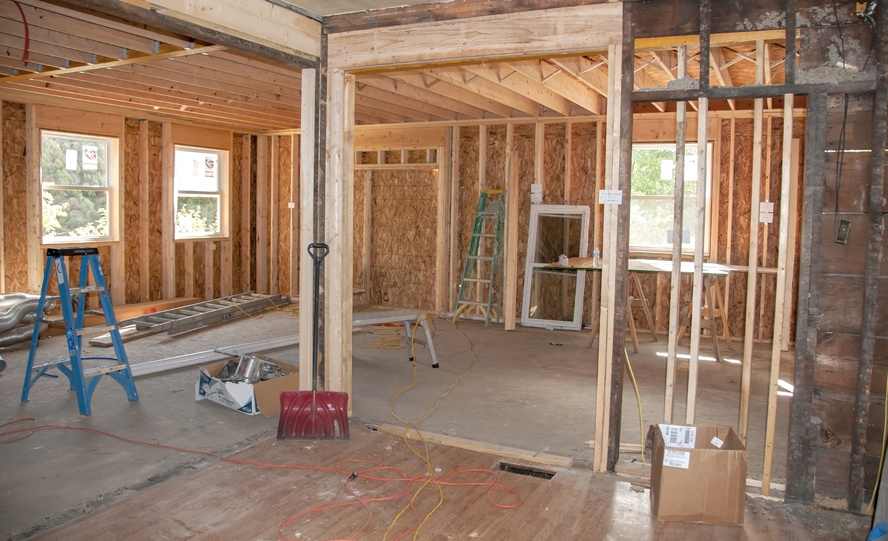
The average remodeling job typically spans between three to six months, based on the size of the job, scale of the house, and availability of materials. More involved renovations might need extra time for completion.
What are typical errors that people make during remodeling?
Common mistakes when renovating a home are things like underestimating budgets, neglecting permits, not adhering to the project schedule, failing to communicate effectively with your builders, and not considering long-term functionality. Understanding these dangers can lead to a more efficient, more successful remodeling experience.
How do I choose the best supplies for the job?
Choosing the right materials involves evaluating durability, visual appeal, and cost constraints. Researching options, talking to specialists, and factoring in how much care they require will significantly help to make smart choices, to guarantee the project fits your needs and preferences.
Will I be able to reside in my property throughout the construction phase?
Yes, one can live in the house while work is ongoing, but it might cause disruption. Careful planning, maintaining open dialogue with your builders, and creating defined spaces where you can live normally will reduce the inconvenience while the work is underway.
What guarantees should I look for from the renovation company?
Homeowners should expect warranties for the labor performed, the products installed, and the integrity of the structure, typically ranging from one to ten years. You must carefully check the exact provisions with contractors to know the full extent of the guarantee and its restrictions.